
These 18 ideas run from a salad that needs pickled vegetables started a day ahead to fritters that disappear as fast as you plate them, so the deciding factor is how much of your own kitchen time you are willing to spend versus how much you want to be in the room.
A champagne bucket filled with flowers can greet guests at the door, or you can stand at the stove frying fritters in batches that disappear as fast as you plate them.
1. Spring Salad with Pickled Vegetables
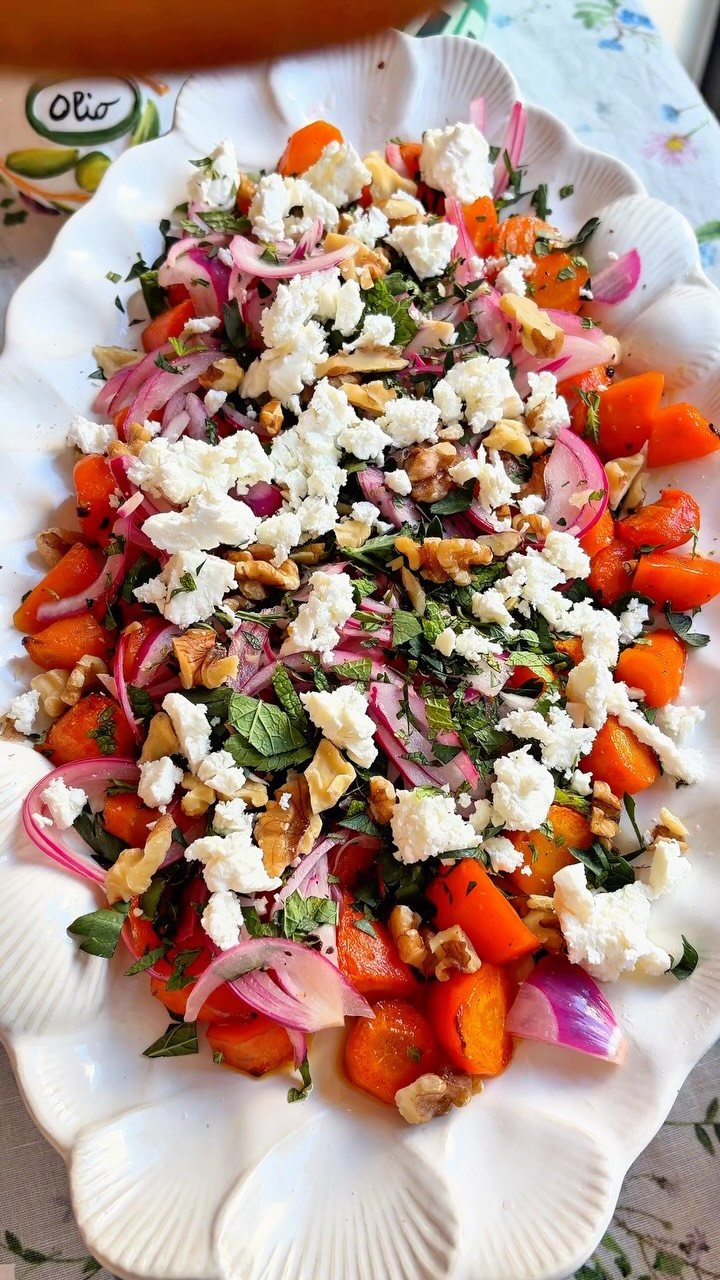
Pickled vegetables turn a simple spring salad into something guests remember.
The method takes 12 hours of fridge time, so start the night before: slice carrots, radishes and turnips thin, pack them in jars with fresh herbs, then cover with a brine of equal parts water and apple cider vinegar plus a drizzle of honey.
They keep for months, which means the extra jars work as take-home favors. Goat cheese and walnuts on top give the crunch and richness that makes this a full plate rather than a side.
I’d set this out for any crowd that wants to graze rather than sit down to a structured course.
2. Easy Spring Recipes
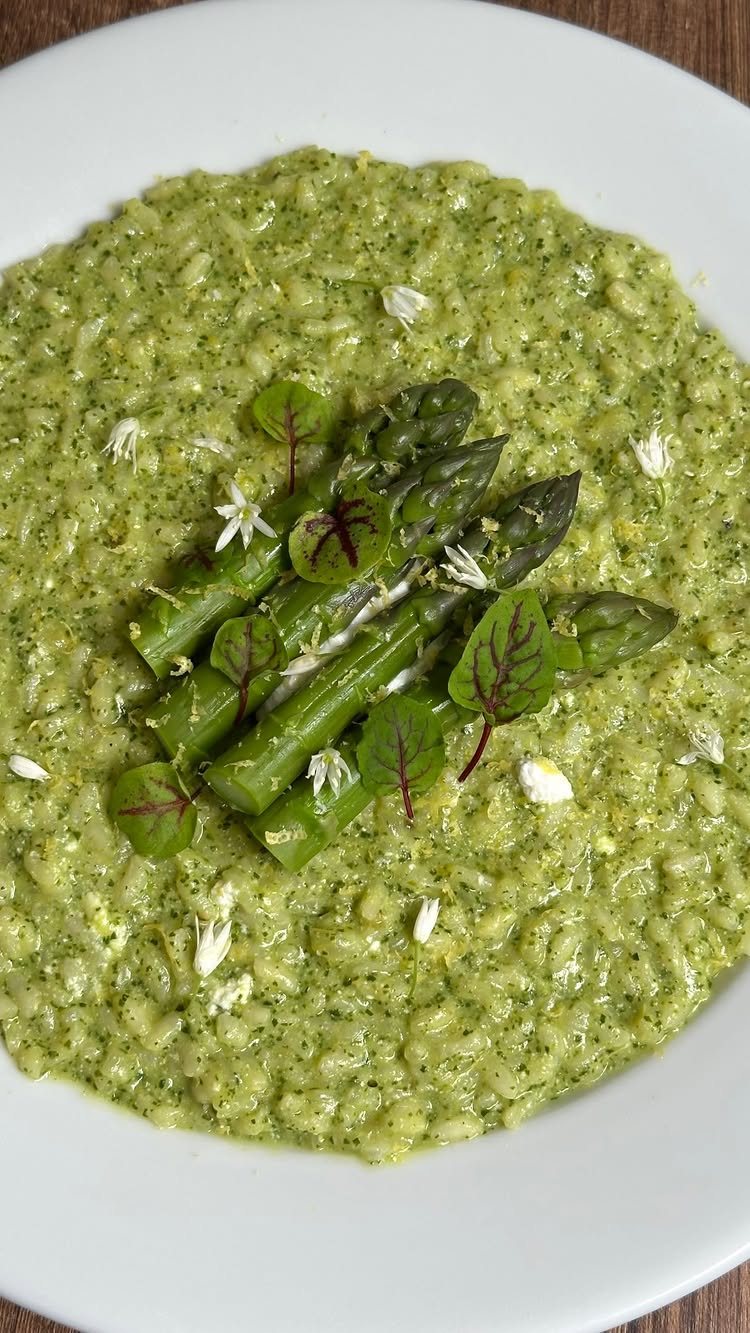
Risotto with asparagus and edible flowers reads fancy but moves fast once the stock is hot.
The trick for a dinner party is cooking the base ahead to the halfway point, then finishing portions to order while guests are on their second drink.
Fresh sorrel leaves and tiny white flowers do the visual work; no centerpiece needed if every plate looks like this. For a crowd, I’d lean toward a communal platter rather than individual portions.
3. Grilled Pizza
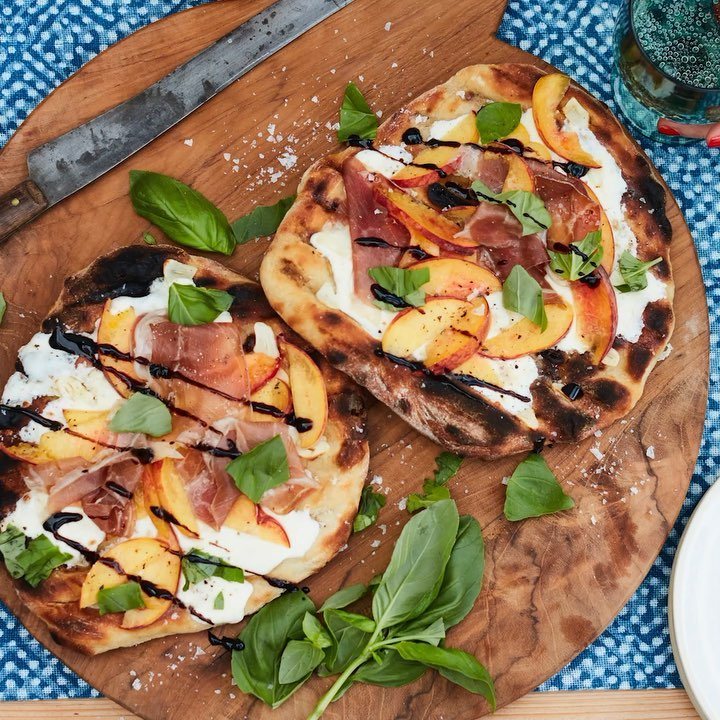
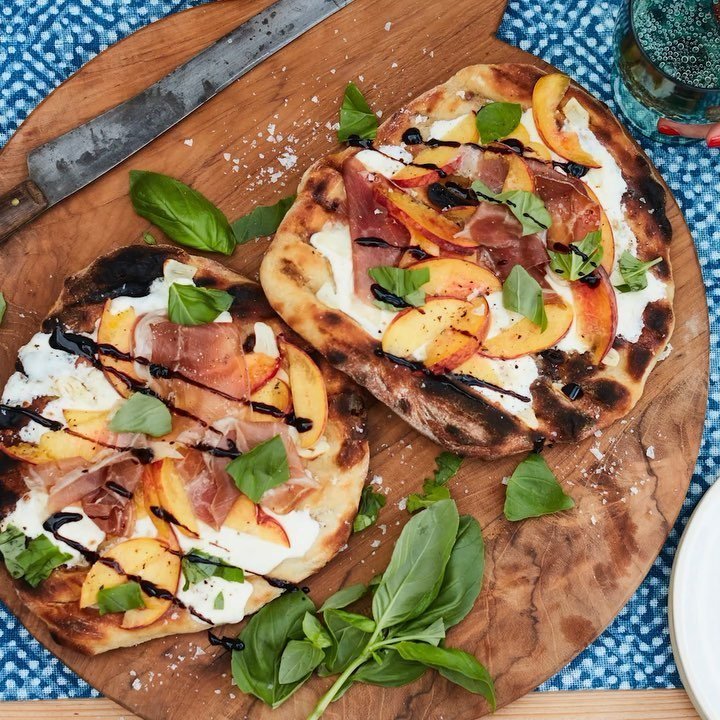
Grilled pizza solves the problem of a host stuck at the stove while everyone else is outside.
The dough goes on hot grates until it puffs and chars in spots, then toppings go on the cooked surface and the whole thing finishes covered until the cheese melts.
Peaches and prosciutto with balsamic glaze skew sweet-savory, which works better as a main than you’d think; the fruit keeps it light enough for warm weather. A stovetop grill pan works if outdoor space is tight.
I’d make one pizza per small group and slice small, since people always want to try more than one combination.
4. Roasted Wild Salmon with Citrus, Chilies & Herbs
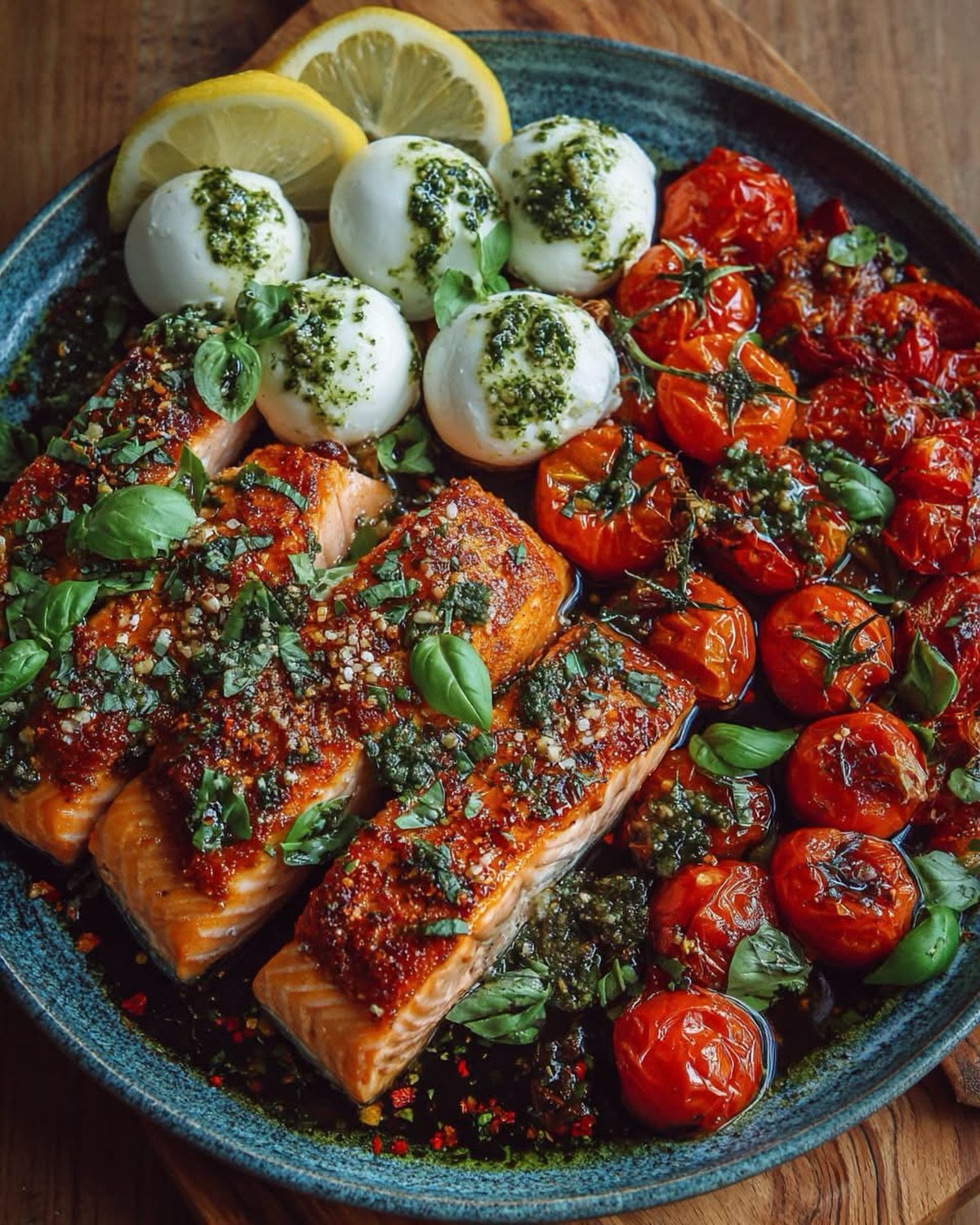
Citrus garnishes do the heavy lifting on this salmon. Buy lemons, tangerines and blood oranges, slice them thin, and layer in overlapping rows like fish scales across the top before roasting.
The color variation is what makes guests pause at the table. Pinot Noir handles the richness better than white wine if you’re choosing a pairing.
I’d buy fish in a single large piece rather than individual fillets; it holds moisture better and looks more dramatic.
5. Lemon Mascarpone Layer Cake
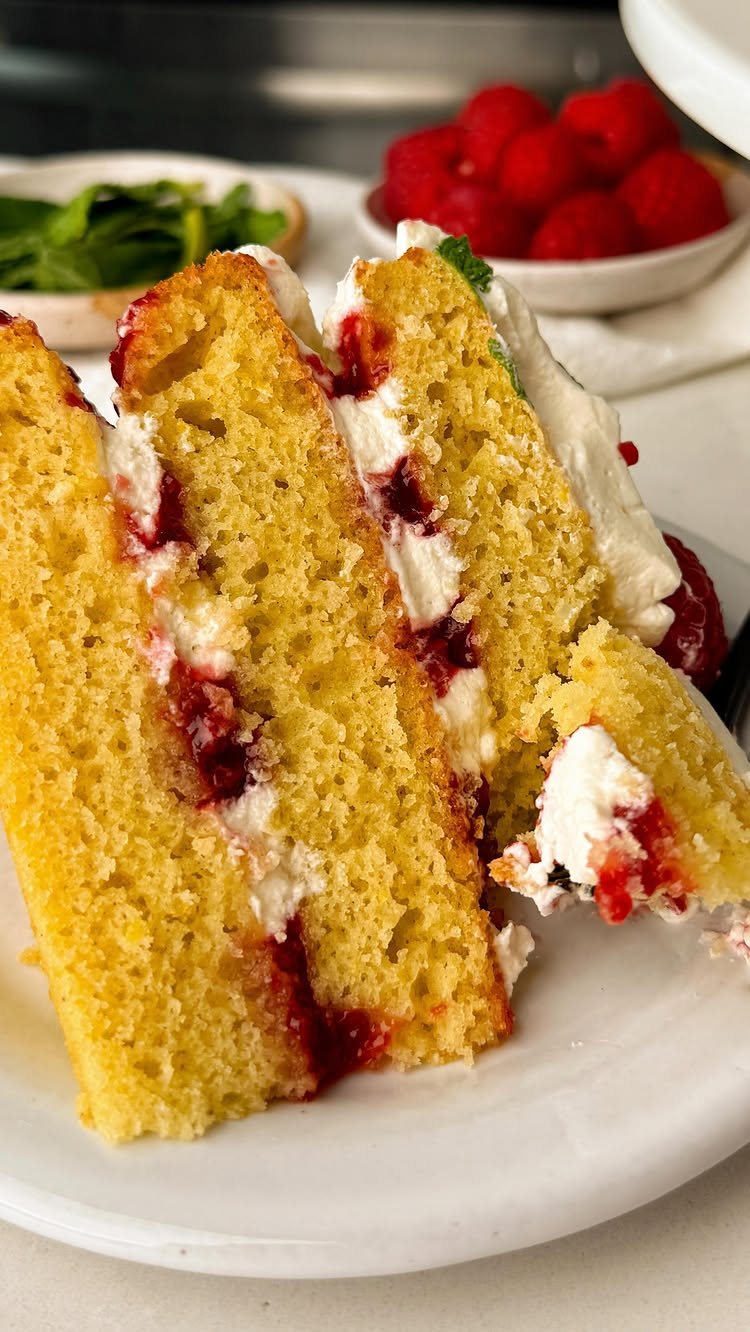
The tang cuts the sweetness, which matters after a multi-course meal when guests are slowing down. A simple cake stand gives it enough presence; anything more ornate fights the food.
Lavender oat lattes alongside sound like a coffee shop affectation but work here because the floral note picks up the lemon rather than competing.
I’d bake the layers the day before and assemble with plenty of time to chill before serving. For a group larger than 8, make 2 cakes rather than scaling up; layer cakes get unstable when too tall.
6. Leek Bruschetta
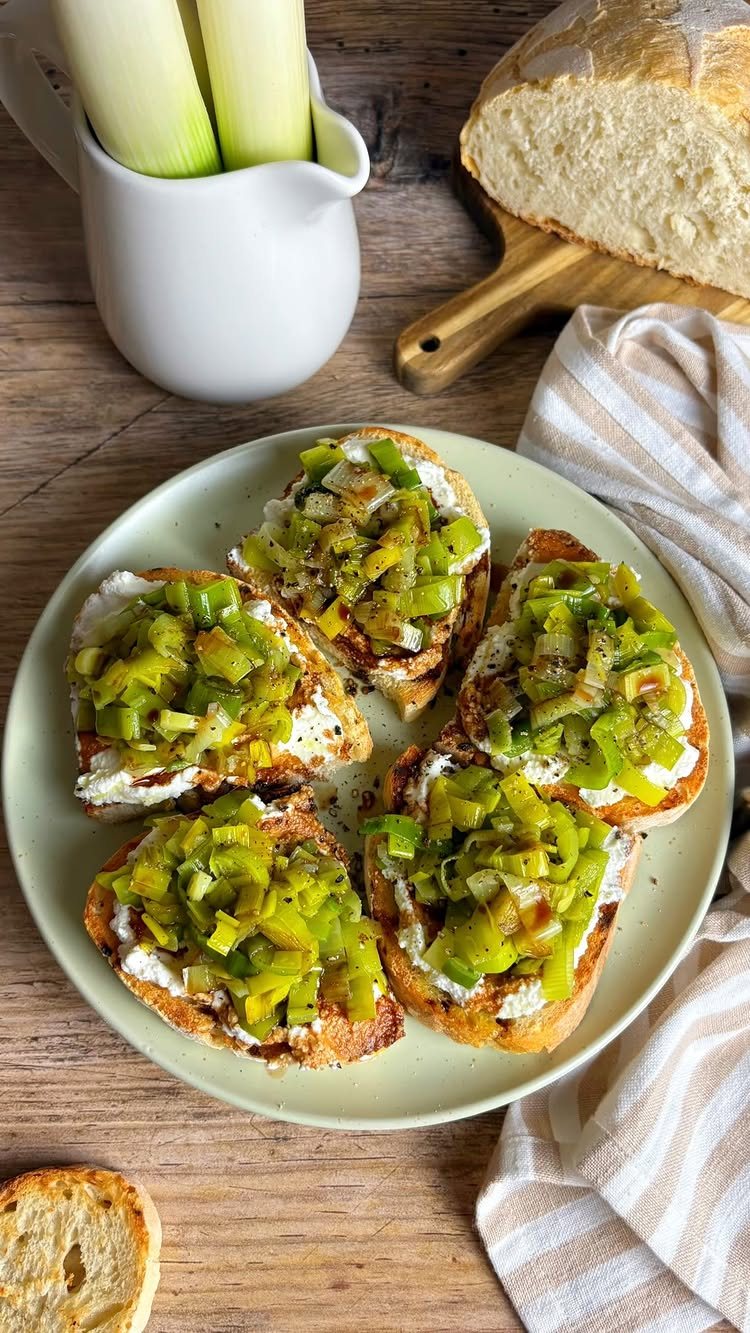
Leeks cooked down until soft and sweet need gentle heat and your full attention, but they hold fine off the heat for a good while.
Toast the bread just before carrying the platter out, then spoon the leeks on top with a light hand of cheese and herbs. The warmth matters more than the specific temperature; this is food to eat with fingers while standing.
A neutral glazed platter keeps the focus on the pale green and cream colors. I’d plan a couple pieces per person if this opens the meal, more if it’s the only appetizer.
The leeks can be made ahead; the bread cannot.
7. Champagne Bucket Filled with Flowers

A champagne bucket doubles as a mold for floral ice that chills the bottle inside it.
Freeze edible flowers or petals in layers inside a clear bucket, leaving a cylinder hollow for the wine, or buy a floral ice mold and skip the layering.
Battery-operated light balls tucked between the ice layers turn the whole thing into a centerpiece once the table goes dim. The clear acrylic lets the flowers show from every angle; frosted or colored buckets hide the effect.
I’d keep the blooms pale, white or blush, so they read as something frozen rather than something wilted. One bucket handles a single bottle, so scale up for a crowd or set this by the door as the greeting drink.
8. Spring-themed Table Setting
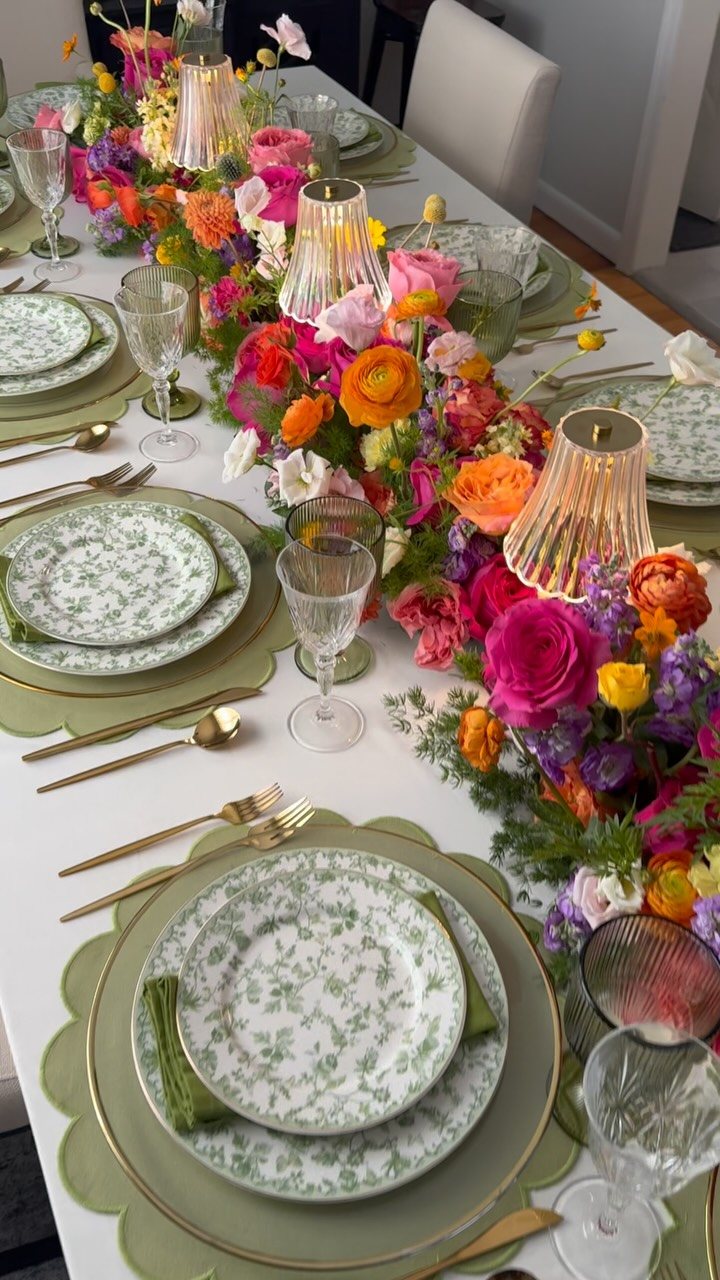
Small lamps on a dinner table change the whole room more than candles do, and they let you skip overhead lights entirely.
The runner here is built from stems laid straight down the center, no foam, no height, so guests see each other across it. Patterned plates in green floral sit against plain linen; gold flatware catches the lamp light without competing.
Wood platters for family-style serving break up the porcelain and give people something to pass. I’d use the lamps only if your table has a plug nearby, battery ones flicker or dim halfway through the meal.
Pastel napkins and floral prints read spring; swap in plain white for a table that needs to feel less decorated and more grown-up.
9. Strawberry Grilled Chicken Salad
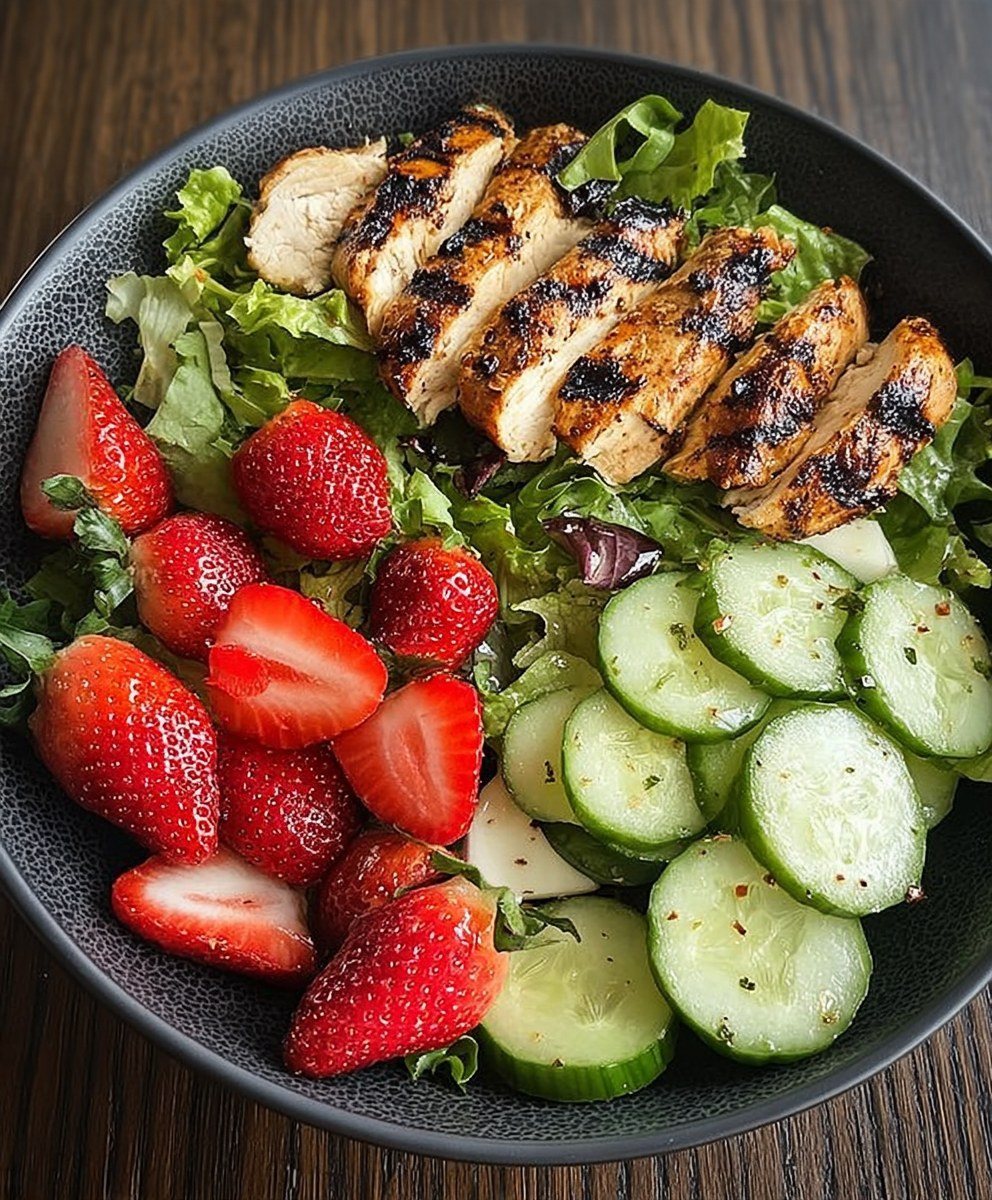
Grilled chicken with strawberries works because the fruit is still firm in spring, not yet turning to jam.
Slice the berries thin so they scatter through the greens rather than sinking to the bottom; marcona almonds add fat and salt that dried ones do not.
A dark bowl makes the red pop, though any deep color does the same. Balsamic and good olive oil are enough dressing; the goat cheese crumbles do the creamy work.
I’d add the chicken warm if the salad goes out right away, cold if it sits. This plate suits a host who wants one substantial dish that covers protein and greens without a side.
10. Asparagus Crostini with Pea Pesto
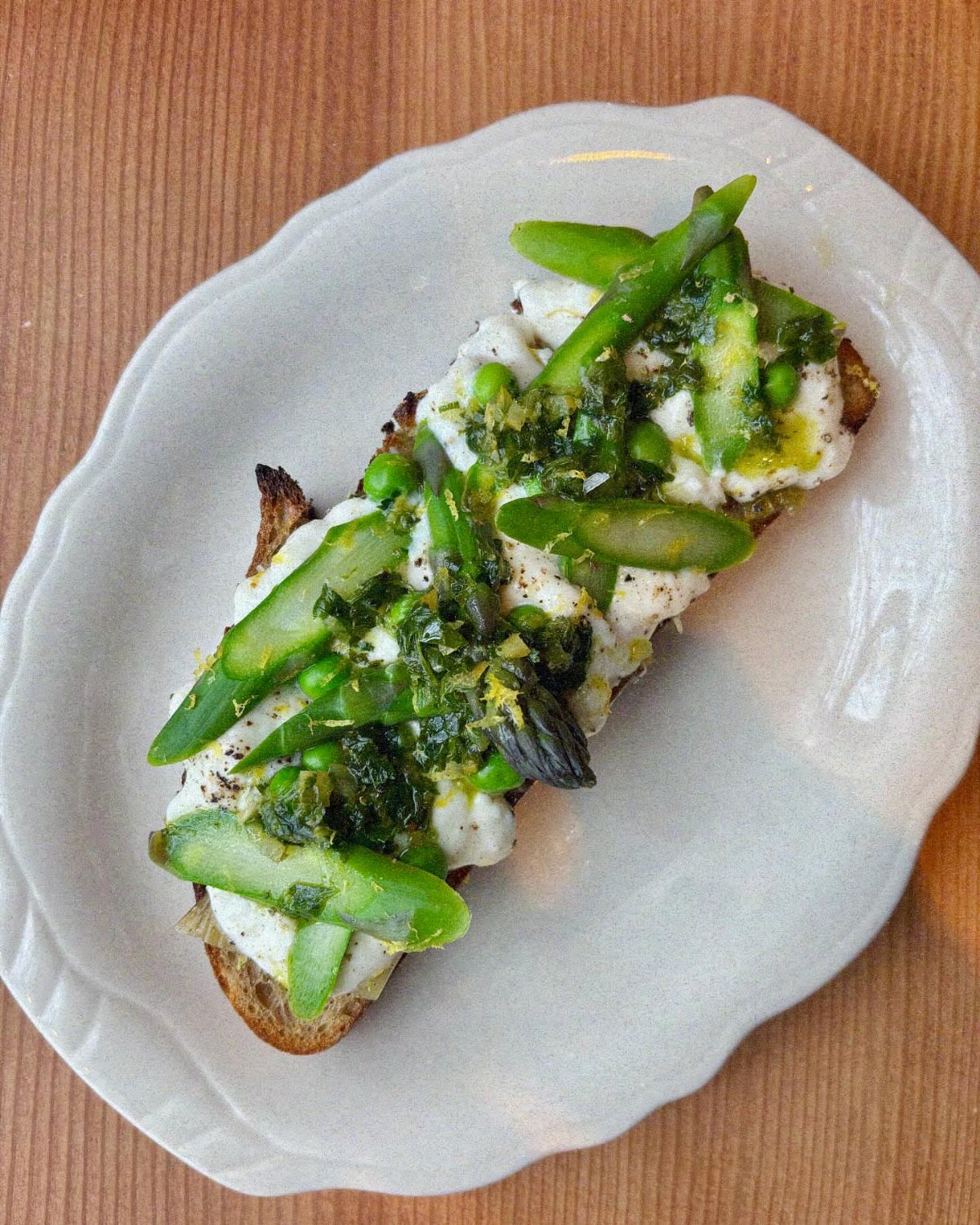
Pea pesto spread on crostini stays brighter than basil version, and the color reads spring in a way guests notice before they taste. Blanch the peas first so the puree stays vivid; raw ones go army green within an hour.
Asparagus tips laid across the top give height and a separate texture from the creamy cheese layer underneath. A scalloped plate frames the single piece like a canapé, though a long plank serving 8 at once is faster for a crowd.
I’d make the pesto an hour ahead, assemble right before, the bread holds only so long before it surrenders. This one wins for hosts who want a vegetarian bite that does not read as an afterthought.
11. Creamy Braised Spring Chicken
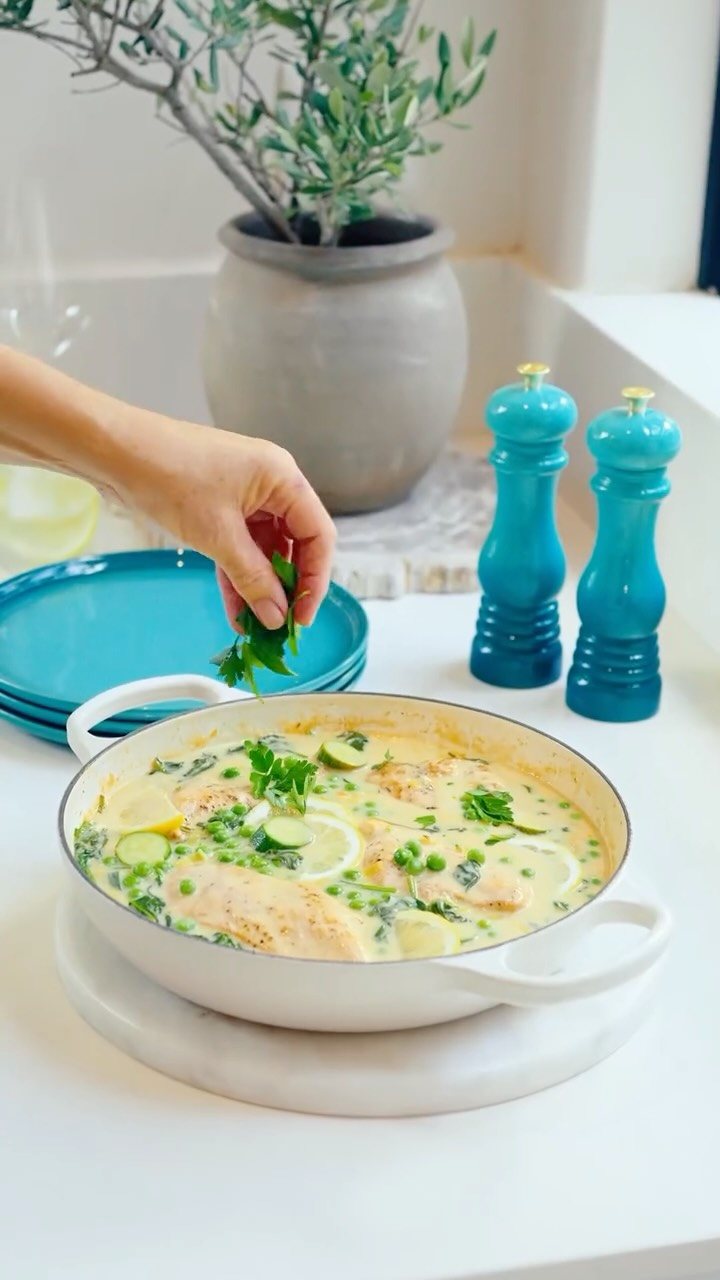
Braised thighs in cream with lemon, peas, and zucchini cook in one pan and go straight to the table in it. The lemon slices soften to edible; keep them in thick rounds or they dissolve to rind.
Turquoise plates against the white pan make the green vegetables read even greener. Pinot noir handles the cream and the lemon both, though a host set on white should reach for chardonnay with some weight.
I’d pull the chicken when the thighs read done and let it rest; dark meat stays juicier than breast ever will.
This dish trades the grill for the stove, good for a night when the weather turns or the cook wants to stay in the kitchen with guests.
12. Fig, Brie, and Blackberry Bites
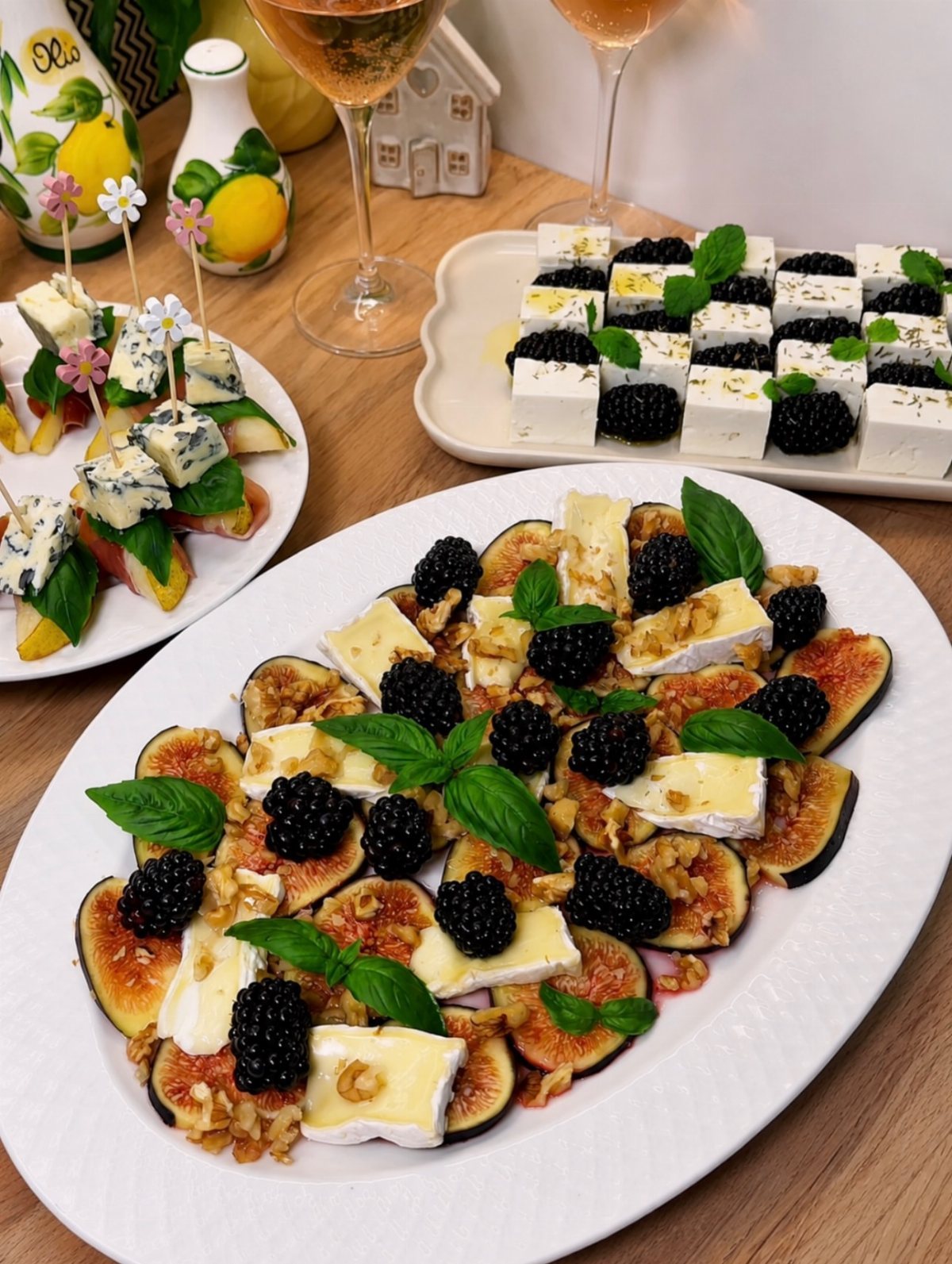
Fresh figs with brie and blackberries need nothing cooked, which matters when oven space is taken or the host wants to assemble during the party.
Slice the figs lengthwise so they sit flat; a crumble of walnut in the center bridges the cheese and fruit. Basil leaves go on last, they bruise if handled too early.
A large white platter lets the dark berries and pale cheese read as intentional rather than scattered. I’d make this for a group that grazes over time, the components hold at room temperature better than anything hot.
The trade is structure: these are bites, not a plated course, so guests need a napkin and a free hand.
13. Spring Vegetable Crudité Cups
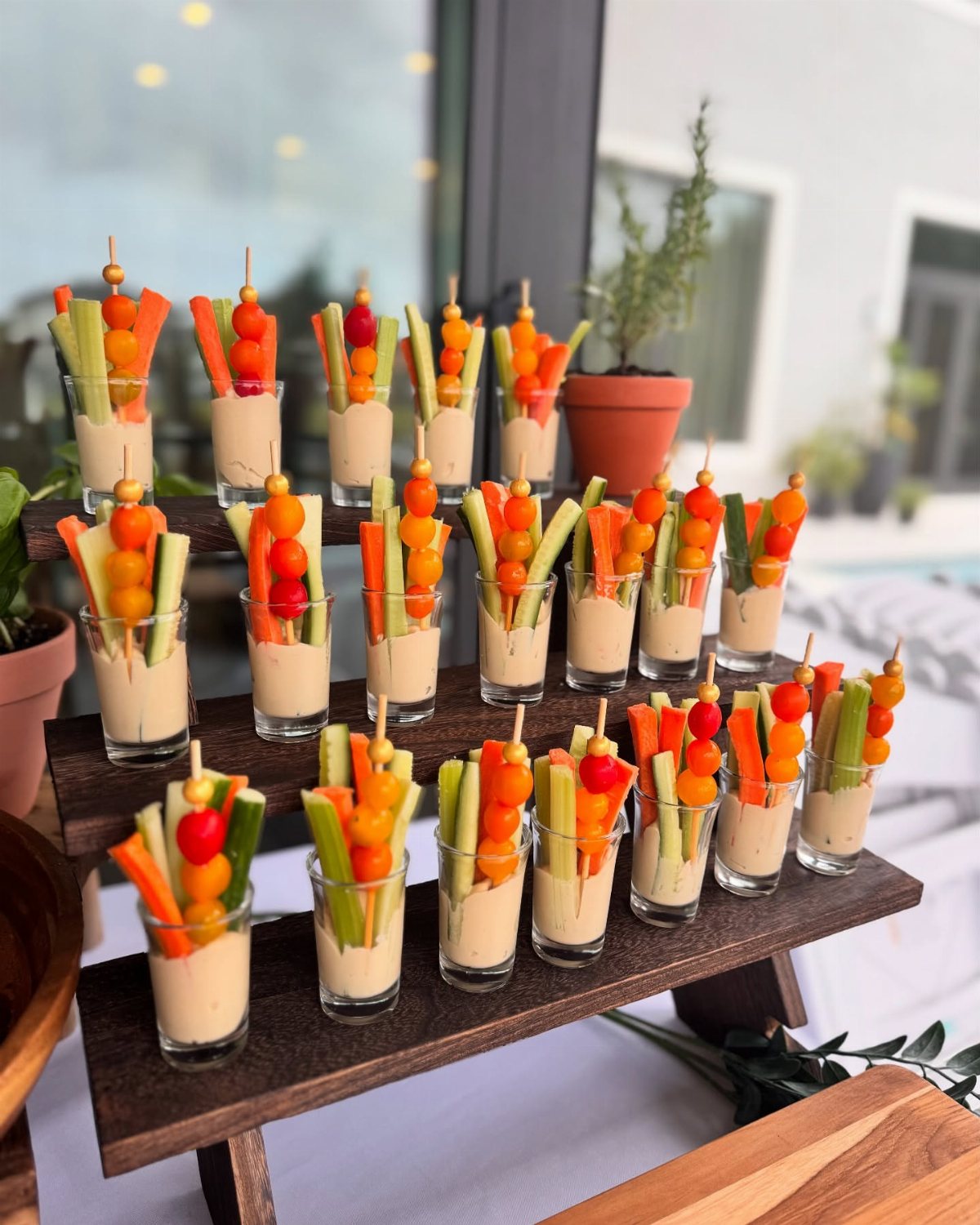
Crudités cups solve the communal dip problem without making anyone hunt for a clean plate.
Small shot glasses layer herb dip at the bottom with upright carrot, cucumber, and celery skewers; tomatoes on their own picks keep the color bright. A tiered stand turns them into a centerpiece.
The dip can be whatever you already like: ranch, hummus, or a white bean blend. Chill the glasses before filling so the vegetables stay crisp on a warm patio.
One batch fills plenty of shooters for passing around.
These work best when guests are standing, since there’s no balancing act. For a seated dinner, I’d skip them and pass a single bowl instead.
14. Arugula and Burrata Salad
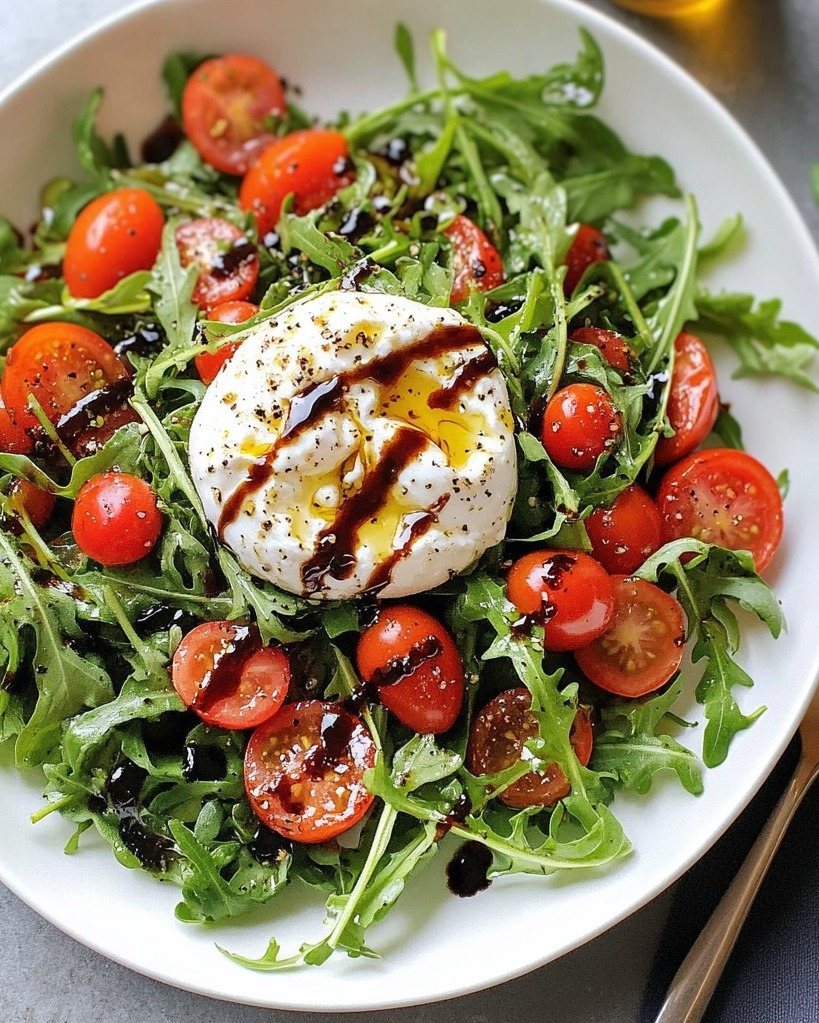
Burrata does the work that a composed salad usually asks of you. The whole ball goes in the center, still cold from the fridge, surrounded by arugula and halved cherry tomatoes.
A drizzle of balsamic glaze and olive oil finishes it; the cheese cracks open at the table and dresses everything at once.
The peppery arugula matters here. Mild lettuce would disappear against the cream, so buy the bunch that looks slightly feisty.
I’d add the tomatoes at room temperature so they don’t chill the cheese.
This is my pick when I want a starter that feels generous but comes together almost instantly. Serve it with bread for the milky puddle left behind.
15. Spring Pea Puree Dip
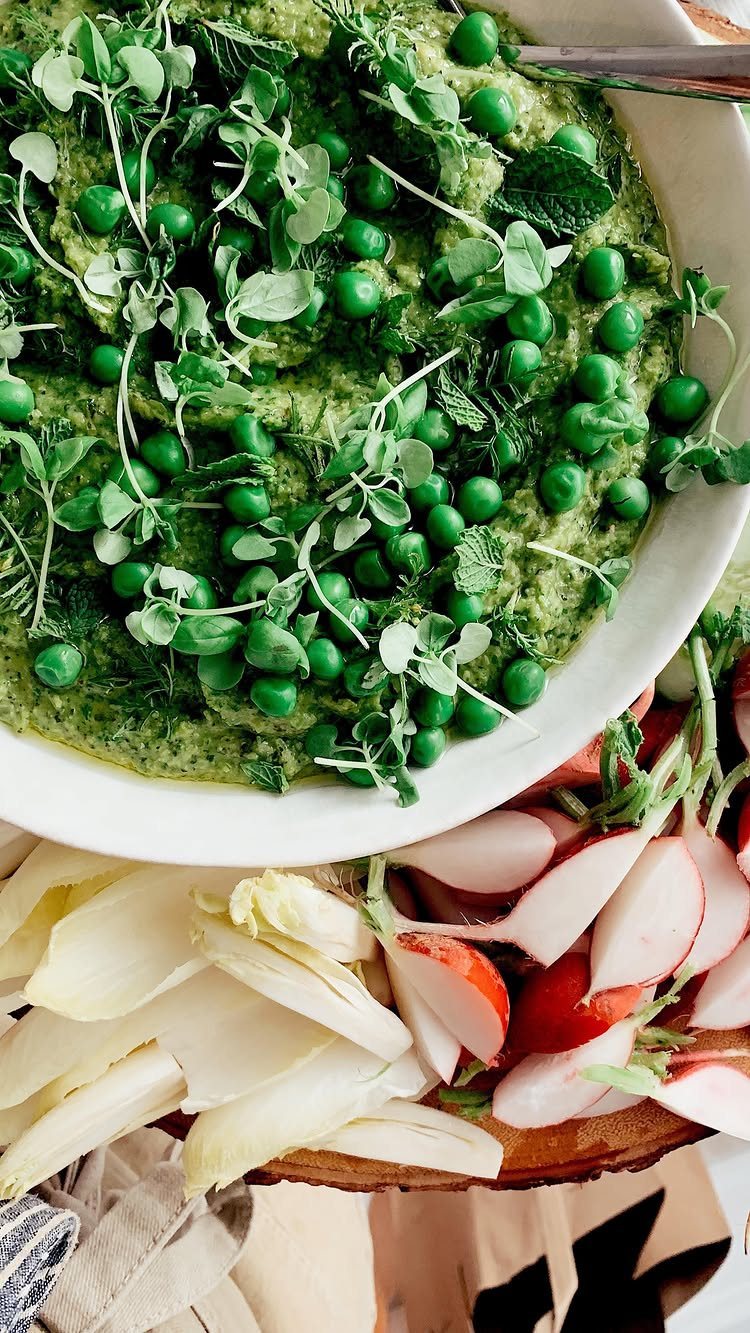
Pea puree brings color that actually tastes like something. The bright green comes from fresh or frozen peas blanched quickly, then blended with garlic, lemon, and olive oil until smooth.
Whole peas and microgreens on top keep it from looking too uniform.
Endive leaves and radish slices are the right dippers: sturdy, watery, and shaped like scoops. I’d set out more endive leaves than radish rounds; the radishes go faster.
Make the puree ahead and hit it with lemon right before you set it out. For a warmer option, the same base works as a thin soup in small cups, though that shifts it from snack to starter.
16. Crispy Vegetable Fritters with Herb Sauce
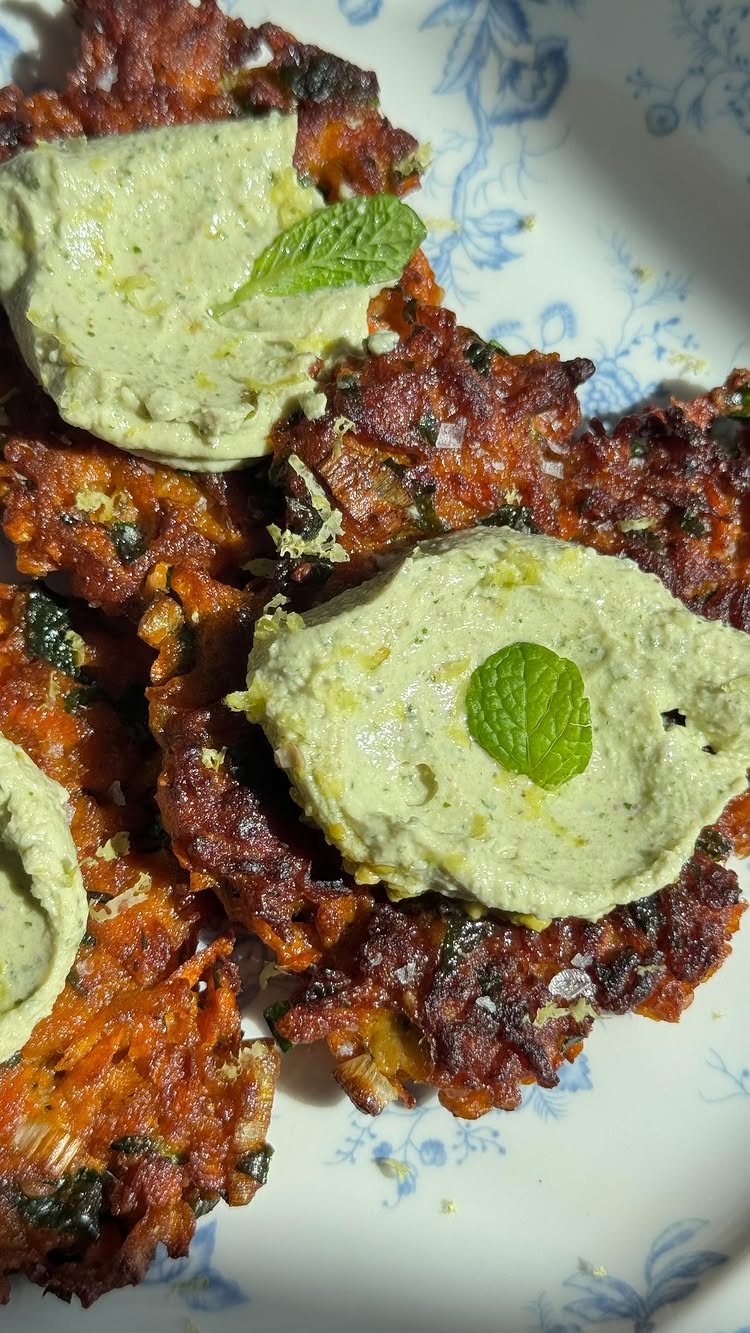
Fritters turn the vegetables you already have into something people reach for.
The base is grated zucchini, carrot, or potato bound with flour, spices, herbs, and 2 eggs; the maker chills the batter for up to 30 minutes before frying, which helps them hold together in the pan.
Fry in a thin layer of oil, not deep, so the edges crisp without the center turning greasy. A pale green herb sauce on top, something creamy with cilantro or parsley, cuts the richness.
Fresh mint leaves at the end add brightness that dried herbs can’t match.
These suit a host who hates waste and doesn’t mind standing at the stove. I’d double the batch; they disappear.
17. Spring Asparagus Potato Salad
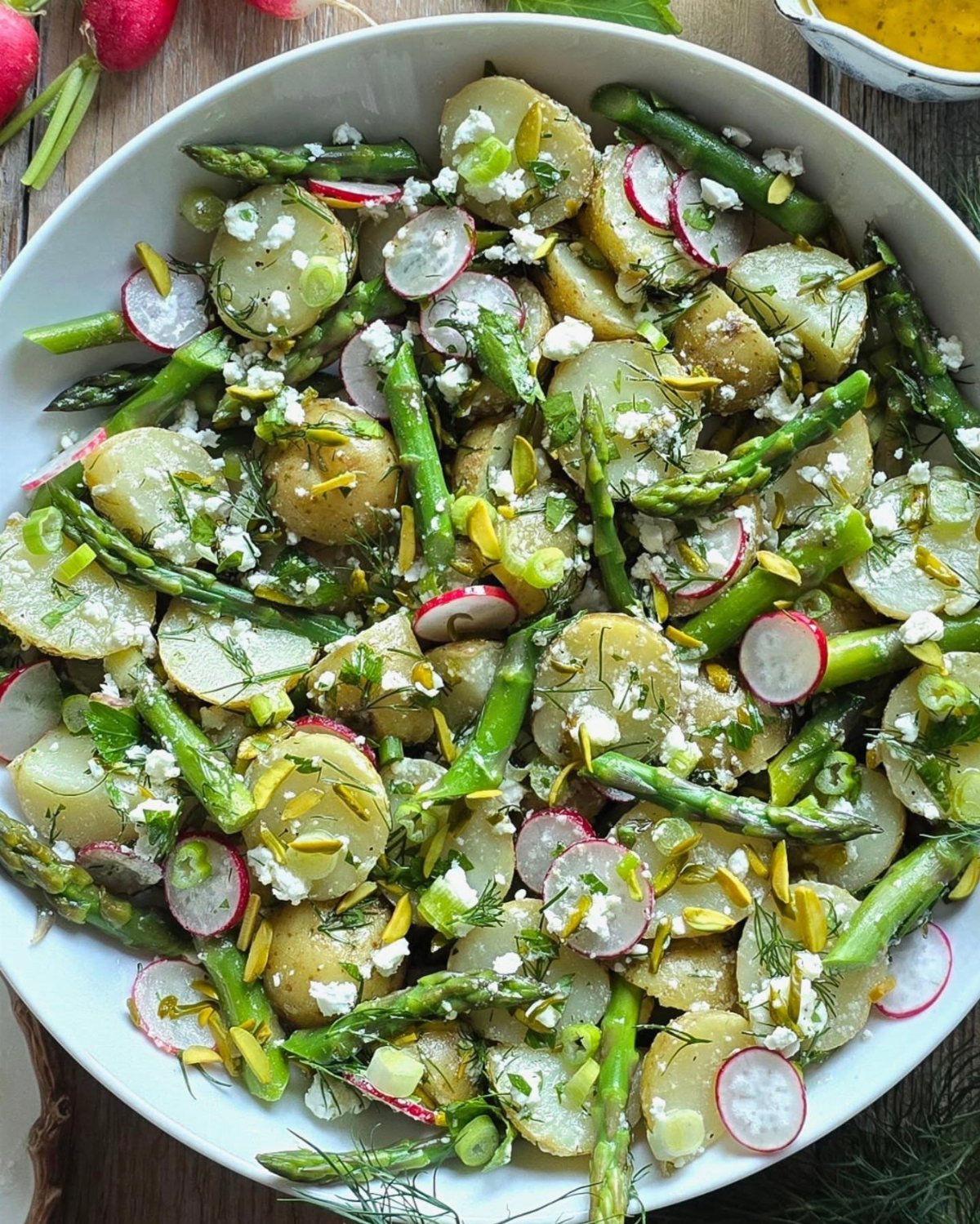
New potatoes and asparagus share a season and a cooking method, so treating them together makes sense.
Small potatoes, halved or quartered, get boiled until just tender; the asparagus spears only need a quick blanch in that same water, then an ice bath to keep the green sharp.
A shallow bowl lets the ingredients spread out rather than pile up and bruise. Sliced radishes add crunch, crumbled cheese brings salt, and pistachios do what croutons would without going soft.
Fresh herbs, mint especially, keep it lively.
I’d serve this slightly warm or at room temperature, never cold from the fridge. It holds well on a buffet table, which matters more in spring when the meal might drift outside.
18. Layered Carrot Cake
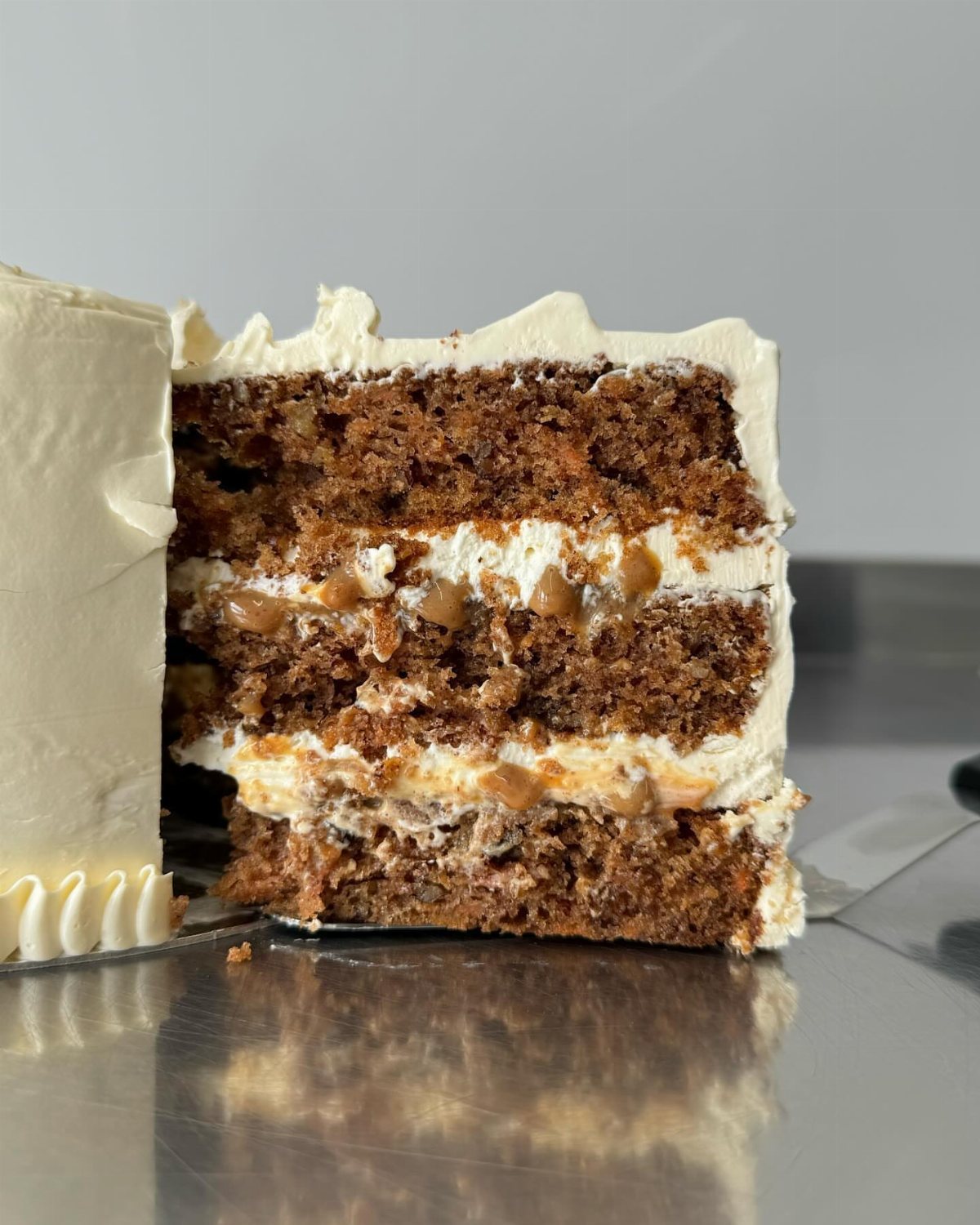
Carrot cake layers well because the crumb is forgiving; a slight unevenness disappears under cream cheese frosting. The visible version shows 3 tiers with a caramel-nut filling between, which adds more interest than frosting alone.
Grated carrot keeps the cake moist for days, so this is my choice when I need to bake ahead. Toast the nuts before folding them in; raw pecans or walnuts taste flat against the spice.
The frosting should be thick enough to hold peaks, or the layers slide.
A slice this tall needs a sharp knife and a confident cut. I’d set the whole cake out with a pitcher of coffee and let guests help themselves; plating individual portions turns host into caterer.
Tips for Hosting a Dinner Party
Paper invitations still register as effort in a way texts do not, even for a casual dinner.
I’d order them 2 weeks ahead for spring timing, and include a note about the dress code if there is one, since "outdoor" means different things to different guests.
Place cards matter more than people admit. A guest who arrives alone and does not know the group needs the structure; I’d seat the host’s most talkative friend beside the quiet one and let the cards do the introduction work.
Seasonal decor does not have to mean florists. Grocery store peonies, spray roses and sweet peas layer into something full if you vary the sizes and let the big blooms dominate.
A traditional place setting with everything at the fingertips reads as care without fuss.
Using Seasonal Ingredients
Letting the market dictate the menu saves money without reading as cheap. Spring asparagus, strawberries and new herbs are priced to move in April and May; out-of-season tomatoes or raspberries cost double and taste like nothing.
Fresh herbs do more than garnish. A bundle of mint or basil on the table signals spring before anyone tastes the food, and costs less than a single forced tulip arrangement.
If the budget is tight, I’d ask 2 guests to bring a dish and assign the categories: one vegetable, one dessert. The host keeps control of the main and the drinks, and nobody feels overburdened.
Carrots with herb dip, cauliflower with lemon tahini, strawberry spinach salad: these are the dishes that travel well and fit the season without reheating drama.
Creating a Relaxed Atmosphere
Family-style serving is the single best tool for a host who wants conversation without forcing it. Passing a platter breaks the ice mechanically; people talk to the person across the table because the dish demands it.
A minimal tabletop keeps the focus on the food. Wood serving platters add grain and warmth without competing with the plates.
Natural touches beat purchased centerpieces. Real candles stay bright through dessert; battery ones rarely last.
Cocktail Ideas for Spring
Spring cocktails need light and acid, not weight. A cucumber vodka drink with lime and simple syrup refreshes without filling; the cucumber reads as spa-adjacent rather than vegetal.
A quick herb syrup on the stove does more for a drink than any bottled mixer.
Mint and basil cooked down with sugar keep in the fridge for 2 weeks and turn a standard Collins into something that tastes like the season.
Honeysuckle vodka pairs well if you can find it; plain vodka works with a heavier hand on the herbs.
Gin, lemon, and sparkling water with a splash of lavender syrup turns the color of a spring garden.
I’d make one pitcher of something non-alcoholic with the same profile, cucumber and basil with soda, so guests who decline still get the aesthetic.
For a crowd, I’d batch the base ahead and add the bubbles at the table. Flat cocktails are a host error that cannot be fixed after pouring.
Frequently Asked Questions
What should I serve at a spring dinner party?
Build the menu around what is actually in season: asparagus, peas, new potatoes, strawberries, and early carrots.
Spring vegetables and herbs cost less right now because they are not traveling far, and the flavor difference is enough that I plan the whole menu around what is local in April and May.
Lighter proteins like salmon or grilled chicken keep the meal from feeling winter-heavy, and dishes that hold at room temperature, like the spring vegetable potato salad or fig and brie bites, buy you flexibility if the party drifts outside.
What are some easy recipes for a crowd?
The grilled pizza and creamy braised spring chicken both scale without much extra work. For pizza, one per small group lets people try multiple combinations; the chicken stays in its pan and goes straight to the table.
The spring vegetable crudité cups and pea puree dip also multiply easily, and both can be assembled ahead so you are not cooking while guests arrive.